
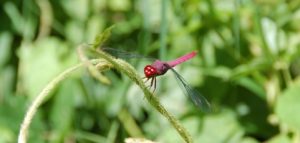
 Wildlife species living adjacent to farmlands may benefit from the crops grown but may be inadvertently exposed to pesticides used to reduce pests of those crops. Urban expansion for new housing, manufacturing facilities, and other activities not only consumes valuable habitat, but also may bring wildlife into contact with pesticides used on turf, gardens, highway rights-of-way, parks, and rodent and mosquito abatement programs. Wildlife and other living things impacted by pesticides in these and other scenarios are called “non-target” organisms.
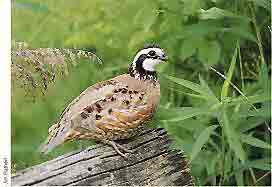 This module is based on a publication entitled Pesticides and Wildlife. The authors of this publication explain the potential effects of pesticides on wildlife and aquatic organisms; describe the process by which ecological safety assessments are made for registered pesticides; and provide pesticide use recommendations to protect wildlife. The publication begins with the tab Pesticides and Wildlife.
Areas treated for pests also are often shared by pollinators that are attracted to blooming flowers for pollen and nectar. Pollinators include not only honey bees but other insects such as butterflies, beetles, wasps and flies, and also birds and bats. For information on protecting pollinators when using pesticides on farms and urban landscapes visit the Pollinator Protection module of this website.
Authored by Fred Whitford, et al.

The above information is the property of Purdue University, reprinted from Pesticides and Wildlife, PP-30. All information on authors and disclaimers relative to the use of this information can be found at that address.