Follow these safety recommendations for safe disposal of pesticides and their containers:
 The best way to dispose of small amounts of excess pesticides is to apply them for the specified pest according to the directions on the label.https://pesticidestewardship.org/?page_id=5884&preview=true
- If you have no further use for them, ask your neighbors whether they have a similar pest control problem and can use them.
- The donated pesticide must be in its original, fully-labeled container.
- Make sure that the person who receives it can read and follow the label directions.
- If no community program or guidance exists, follow the label directions for disposal.
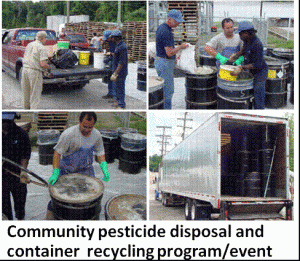
- If all of the remaining pesticides cannot be properly used, check with your local Cooperative Extension Service office, State Lead Agency, or solid waste agency to find out whether your community has a household hazardous waste collection program or a similar program for getting rid of unwanted, leftover pesticides. These authorities can also inform you of any local requirements for pesticide waste disposal.
- Contact the National Pesticide Information Center (NPIC), an EPA-sponsored organization, for information about proper disposal and waste collection programs in your area (http://npic.orst.edu/reg/state_agencies.html).
- The Pesticide Stewardship Alliance (TPSA) (state disposal map) is another source for this type of information.
- State and local laws regarding pesticide disposal may be stricter than the federal requirements on the label. Be sure to check with your Cooperative Extension Office or State Lead Agency before disposing of your pesticide containers.
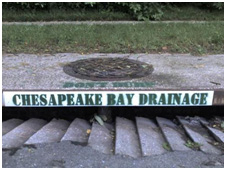
- Do NOT pour leftover pesticides down the sink, into the toilet, or down a sewer or street drain. Pesticides may interfere with the operation of wastewater treatment systems or pollute waterways. Many municipal systems are not equipped to remove all pesticide residues. If pesticides reach waterways, they may harm fish, plants, and other living things.
- An empty pesticide container can be as hazardous as a full one because of residues left inside. Never reuse pesticide containers to carry or store other items, especially food or drinks. When empty, triple-rinse (see steps below) and dispose of the container according to label instructions. Never puncture or burn a pressurized or aerosol container – it could explode.
- Many communities have programs to recycle household waste such as empty bottles and cans. Do not recycle any pesticide containers, unless the recycling program specifically accepts pesticide containers and you follow the program’s instructions for preparing the empty containers for collection.
Steps for Triple-rinsing Empty Containers:
- While still wearing protective equipment, pour any excess pesticide into the sprayer.
- Fill pesticide container ¼ full of clean water, replace the cap, and shake the container for 30 seconds. Pour rinse water into the sprayer.
- Repeat two additional times, shaking the container in different directions.
- Carefully rinse the outside of the container and the cap over the sprayer (or bucket to catch rinse water).
- Dispose of the cap as regular household waste, and dispose of or recycle containers according to local regulations.
- Apply the diluted rinse material according to label directions.